



Oracle Tortoise Shell
This is a piece of tortoise shell (the tortoise's belly armor) engraved with oracle bones. Oracle bone inscriptions are the earliest ancient characters with a relatively complete system that have been discovered in China. They mainly refer to characters engraved on tortoise shells or animal bones. They prevailed in the late Shang Dynasty (about 14th century BC to 11th century BC). In ancient times, the royal family and nobles of the Shang Dynasty used tortoise shells and ox shoulder blades to make divination, predict good or bad luck or inquire about important matters (such as weather, war, harvest, sacrifice, etc.). During divination, the sorcerer would drill holes in the back of the tortoise's shell, then burn it with fire, judge the good or bad according to the cracks (called "omens") generated on the front, and engrave the divination content or result on the oracle bone.

Ancient Chinese Blue Glazed Pottery Bowl - Minneapolis Institute of the Arts
Ceramic art from the 12th century AD, now collected at the Minneapolis Institute of Art. It is one of the outstanding representatives of ancient Chinese ceramic art, showcasing the exquisite skills of Song Dynasty ceramic art with its unique colors and craftsmanship. Blue glaze, also known as blue color, is a glaze color formed by applying cobalt containing blue pigment to the surface of porcelain and firing it at high temperatures. It became popular in the Song Dynasty and was loved by people for its bright and pure blue color. Not only is it a masterpiece of ancient Chinese ceramic art, but it is also a bridge for cultural exchange between the East and the West. Enable people from all over the world to appreciate the charm of ancient Chinese ceramics and learn about China's long history of ceramic culture

Ancient Chinese Bronze Tripod - Minneapolis Museum of Art
Ding is a bronze container used for cooking and worship in ancient China, with a history dating back to the 11th century BC to the 10th century BC. The characteristic is a flat bottom, three legged support, and high artistic and historical value. During the Shang Dynasty, the legs of bronze tripods were mostly flat, usually designed in the shape of dragons. In the early Western Zhou Dynasty, tripod legs began to be popular in the form of birds. The tripod collected by the Minneapolis Museum of Art features a bird shaped design with three legs, standing on claws and tail, and decorated with cicada patterns above the legs. It reflects the bronze casting technology of ancient China, as well as the aesthetic and cultural beliefs of the society at that time.

Ancient Chinese vases
Chinese ancient vases are treasures of Chinese culture, with a long history and unique artistic charm. These vases are mostly made of ceramics, as well as materials such as bronze and jade, with various shapes, rich colors, and exquisite decorations. They are not only practical containers, but also works of art that showcase craftsmanship and aesthetic taste. The patterns on ancient Chinese vases are diverse, ranging from geometric shapes to flowers, birds, fish, and insects, from myths and legends to historical stories, reflecting the culture and life of ancient society. Over time, these vases have become sought after by collectors and art enthusiasts, as well as important materials for studying ancient Chinese history and culture.

Popular Models

Random Model

Samarkand city center, Uzbekistan
844 View


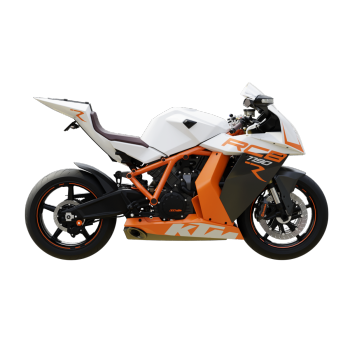
Austria KTM manufactures RC8R motorcycle
1314 View

Xenophon Statue
976 View
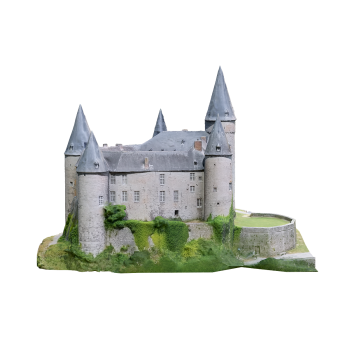
Villeneuve Castle, Belgium
938 View

Russian Toy Dog 3D Model Animation
968 View
